
Kidney Cancer
6 products
6 products found
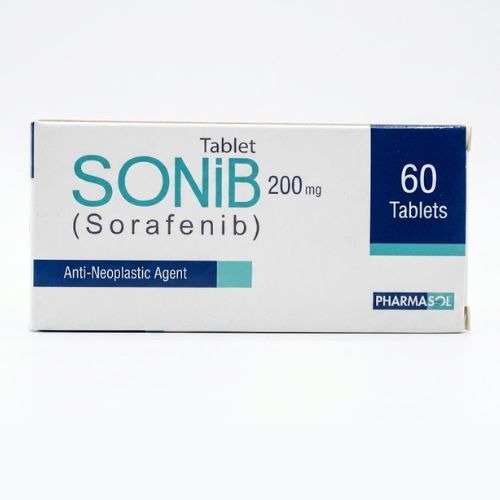
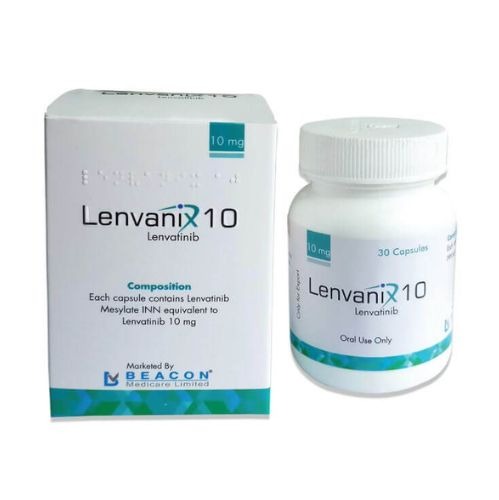

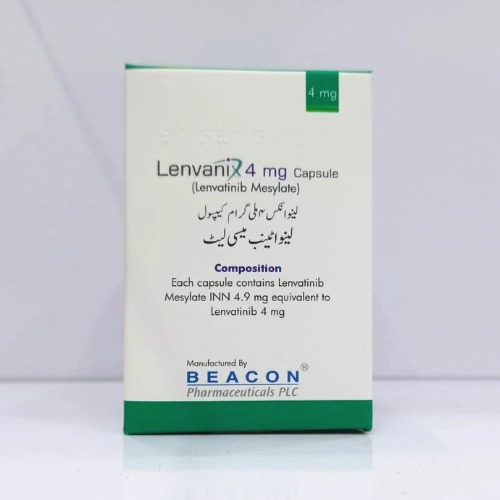

Showing 6 of 6
This page is for general information only and is not medical advice or a recommendation to use any medicine. See the full disclaimer below.
This category covers kidney cancer medicines used in the treatment of renal cell carcinoma, the most common form of kidney cancer. It includes targeted therapies, mTOR inhibitors and immunotherapy agents that oncologists prescribe in Pakistan and worldwide. The information below explains the main drug classes and how they work, for general awareness.
Types of Kidney Cancer Medicines
Kidney cancer medicines fall into a few main drug classes, each acting on cancer cells through a different pathway. Treatment choice depends on the cancer stage, subtype and the patient's overall health, and an oncologist decides it. The table below outlines the main drug classes for general information.
Drug Class | Example Medicines (Brand) | How It Acts | Prescription |
|---|---|---|---|
Tyrosine kinase inhibitors (TKIs) | Sunitinib (Sutent), Pazopanib (Votrient), Sorafenib (Nexavar), Axitinib (Inlyta), Cabozantinib (Cabometyx) | Block VEGF signals that build tumor blood vessels | Yes |
mTOR inhibitors | Everolimus (Afinitor), Temsirolimus (Torisel) | Block the mTOR protein that drives cancer cell growth | Yes |
Immune checkpoint inhibitors | Nivolumab (Opdivo), Pembrolizumab (Keytruda), Ipilimumab (Yervoy) | Reactivate T cells so the immune system attacks the cancer | Yes |
VEGF inhibitor (monoclonal antibody) | Bevacizumab (Avastin) | Slows the growth of new blood vessels feeding the tumor | Yes |
How Kidney Cancer Medicines Work
Kidney cancer medicines act by cutting off the signals and resources tumors need to grow and spread. Renal cell carcinoma relies heavily on new blood vessels, so most treatments target this process. Each drug class affects a different step in tumor growth.
Tyrosine kinase inhibitors block VEGF, a protein that signals tumors to build new blood vessels. Without these vessels the tumor loses its blood supply and slows down. Sunitinib and pazopanib are examples of TKIs used for advanced kidney cancer.
mTOR inhibitors block mTOR, a protein that controls cancer cell growth and division. Everolimus and temsirolimus reduce both cell proliferation and blood vessel formation. They are sometimes used after a TKI stops working.
Immune checkpoint inhibitors release the brakes on the immune system. Nivolumab and pembrolizumab block PD-1, a protein that stops T cells from attacking cancer. This helps the body recognise and destroy kidney cancer cells.
Key Facts About Kidney Cancer Medicines
Kidney cancer medicines are prescription only and require close oncologist supervision. The points below are general facts about this medicine category.
Prescription: all kidney cancer medicines require a valid prescription from a registered oncologist.
Cancer subtype: clear cell and non clear cell renal cell carcinoma respond to different drugs.
Treatment lines: some drugs are used earlier, while others follow once an initial treatment stops working.
Side effects: TKIs are associated with high blood pressure, fatigue, diarrhoea and hand foot skin reactions.
Monitoring: oncologists use regular blood tests and scans to track treatment response.
Administration: some medicines are oral tablets, while others are given by intravenous infusion in a clinic.
Frequently Asked Questions
What medicines are used for kidney cancer?
Kidney cancer is treated mainly with targeted therapies and immunotherapy. These include tyrosine kinase inhibitors such as sunitinib and pazopanib, mTOR inhibitors such as everolimus, and immune checkpoint inhibitors such as nivolumab. An oncologist decides the medicine based on the cancer subtype and stage.
Do kidney cancer medicines need a prescription?
Yes, every kidney cancer medicine requires a valid prescription from a registered oncologist. These drugs are potent and need dose adjustment, monitoring and supervision. PakMeds lists them only against a verified prescription.
Which medicines are used first for advanced kidney cancer?
Sunitinib and pazopanib are examples of first line medicines used for advanced clear cell renal cell carcinoma. Both are tyrosine kinase inhibitors that block tumor blood vessel growth. Some treatment plans combine immunotherapy with a targeted drug, as decided by the oncologist.
Are kidney cancer medicines taken at home?
Many kidney cancer medicines are oral tablets or capsules taken at home each day. TKIs such as sunitinib and mTOR inhibitors such as everolimus are taken orally. Immunotherapy and some agents are given by intravenous infusion in a clinic.
What are the common side effects of kidney cancer medicines?
Tyrosine kinase inhibitors are commonly associated with high blood pressure, fatigue, diarrhoea and hand foot skin reactions. mTOR inhibitors can raise blood sugar and cause mouth sores. A doctor should review any severe or unusual symptoms.
Are kidney cancer medicines available in Pakistan at PakMeds?
Yes, PakMeds lists kidney cancer medicines available in Pakistan, including DRAP registered brands. The products shown above can be viewed with their details. A valid prescription is required to complete an order.
Disclaimer
The information on this page is provided for general educational purposes only and does not constitute medical advice. It is not a recommendation to use any specific medicine, and it should not replace consultation with a qualified healthcare professional.
Kidney cancer must be diagnosed, treated and monitored by a registered oncologist. Never start, stop or change any medication without your doctor's guidance. Always read the official product leaflet and follow your healthcare provider's instructions.