
Can Breast Cancer Relapse? Risks, Factors, & More
Yes, breast cancer can relapse. Breast cancer recurrence happens when cancer cells survive initial treatment and begin growing again months, years, or even decades later. A 2021 Danish study published in the Journal of the National Cancer Institute found that some women experienced a recurrence up to 32 years after their original diagnosis.
This guide covers what breast cancer survivors need to know about recurrence risk, which breast cancer types are most likely to come back, and the steps that can help reduce the chance of relapse. Every person diagnosed with breast cancer has some level of recurrence risk, so understanding the facts can help survivors stay informed and proactive.
What You'll Learn in This Guide
Breast cancer recurrence rates range from less than 10% to over 50%, depending on the cancer's stage and subtype
Triple negative breast cancer and inflammatory breast cancer carry the highest recurrence rates
Local, regional, and distant recurrence each present different symptoms and outlooks
Hormone receptor positive breast cancers can recur many years or decades after treatment
Staying on track with a full treatment plan is one of the most effective ways to prevent breast cancer recurrence
Lifestyle changes like regular exercise, healthy weight management, and balanced nutrition may reduce the risk of recurrence
Knowing the warning signs of recurrent breast cancer allows survivors to act quickly if cancer comes back
What Is Breast Cancer Recurrence?
Breast cancer recurrence is when breast cancer comes back after initial treatment. Recurrent breast cancer develops when cancer cells that survived surgery, chemotherapy, radiation, or other therapies begin to grow again. According to the National Cancer Institute, most recurrences happen within the first few years after completing treatment, but breast cancer can also return many years later.
Even the most advanced treatments cannot always guarantee that every cancer cell has been destroyed. Some cancer cells may remain dormant in the body for years before reactivating. Researchers at the Danish Breast Cancer Group found a cumulative late recurrence rate of 16.6% among women who were disease free for 10 years, tracked from year 10 all the way to year 32 after their original breast cancer diagnosis.
Breast cancer recurrence means cancer has returned after a period of remission where no signs of the disease were detected
Recurrence is different from a new cancer diagnosis, which develops in a previously unaffected area of the breast
Cancer cells can remain dormant in the body and reactivate months, years, or decades after the original cancer treatment
Every person diagnosed with breast cancer carries some level of recurrence risk, though that risk varies widely by individual
Types of Breast Cancer Recurrence: Local, Regional, and Distant
Breast cancer that has come back falls into three categories based on where the recurrence appears. Each type of recurrence carries different implications for treatment and outlook. Understanding the differences helps breast cancer survivors recognize warning signs early.
Local Recurrence: Cancer Returns in the Same Breast
Local recurrence means cancer has come back in the same breast or chest wall where the original cancer was found. This can happen in remaining breast tissue after a lumpectomy or along the scar from a mastectomy. According to the Breast Cancer Research Foundation, the rate of local recurrence within the first five years after standard treatment ranges from 5% to 10%.
Cancer regrows in remaining breast tissue or along the chest wall near the original site
Cleveland Clinic data shows a 3% to 15% chance of local recurrence within 10 years when lumpectomy is combined with radiation therapy
Local recurrence is often treatable and may have a better outlook than regional or distant recurrence
Regional Recurrence: Cancer Spreads to Nearby Areas
Regional recurrence happens when cancer cells spread to lymph nodes near the original tumor. This includes the lymph nodes under the arm, near the collarbone, or in the neck. Regional breast cancer recurrence may produce swelling or lumps in these areas.
Cancer has moved beyond the original breast but remains in nearby lymph nodes or surrounding tissue
The risk increases when cancer was found in the axillary lymph nodes during the original diagnosis
Treatment for regional recurrence may involve surgery, radiation, and systemic therapies
Distant Recurrence: Metastatic Breast Cancer
Distant recurrence, also called metastatic breast cancer or stage IV breast cancer, means cancer cells have spread to organs far from the original tumor. Common sites include the bones, lungs, liver, and brain. The Breast Cancer Research Foundation reports that the rate of distant recurrence ranges from 10% to 30% for early stage breast cancer, depending on the subtype.
Distant recurrence is the most serious type of breast cancer recurrence
Approximately 200,000 women in the United States currently live with metastatic breast cancer, and roughly 70% of those cases are hormone receptor positive
Metastatic breast cancer can be managed with treatment but is not currently considered curable
Breast Cancer Recurrence Rates by Subtype
Not all breast cancers carry the same risk of coming back. The type of breast cancer plays a major role in determining how likely it is to recur and when that recurrence might happen. Cancer research has identified clear differences in recurrence patterns across breast cancer subtypes.
Three receptors measured in breast cancer cells determine the receptor status: estrogen, progesterone, and HER2. The combination of these three receptors guides treatment decisions and provides insight into recurrence risk.
Breast Cancer Subtype | Estimated Recurrence Rate | Recurrence Timing Pattern |
|---|---|---|
Triple Negative Breast Cancer (TNBC) | Up to 40% for early stage | Highest risk in first 3 to 5 years; drops significantly after year 5 |
Inflammatory Breast Cancer (IBC) | Up to 50% | Highest risk in first 3 to 5 years |
HER2 Positive Breast Cancer | Varies; reduced with targeted therapy | Most recurrences within first 5 years |
Hormone Receptor Positive (HR+) | Lower overall but persistent | 50% of recurrences happen after 5 years; risk extends for decades |
Triple negative breast cancer lacks all three receptors, making it harder to treat and more likely to recur within the first five years
MD Anderson Cancer Center research found that triple negative breast cancer survivors who remain disease free at year five face a very low recurrence risk of about 2% to 3%
Inflammatory breast cancer is a rare and aggressive type of cancer that carries a 50% chance of recurring in the same area of the breast
Hormone receptor positive breast cancers can come back after treatment many years later, sometimes 10, 15, or even 20 years after the original cancer diagnosis
Some of the therapies used for these include:
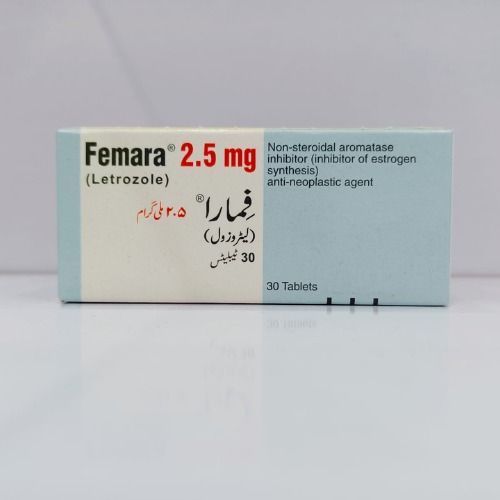
Breast Cancer
Femara 2.5mg Tabs. 30`sFemara 2.5mg Tablet contains letrozole, an aromatase inhibitor used to treat hormone receptor positive breast cancer in postmenopausal women. Buy Femara 2.5mg Tablet, pack of 30, at PakMeds with a valid prescription for genuine Novartis Pharma Pakistan stock.
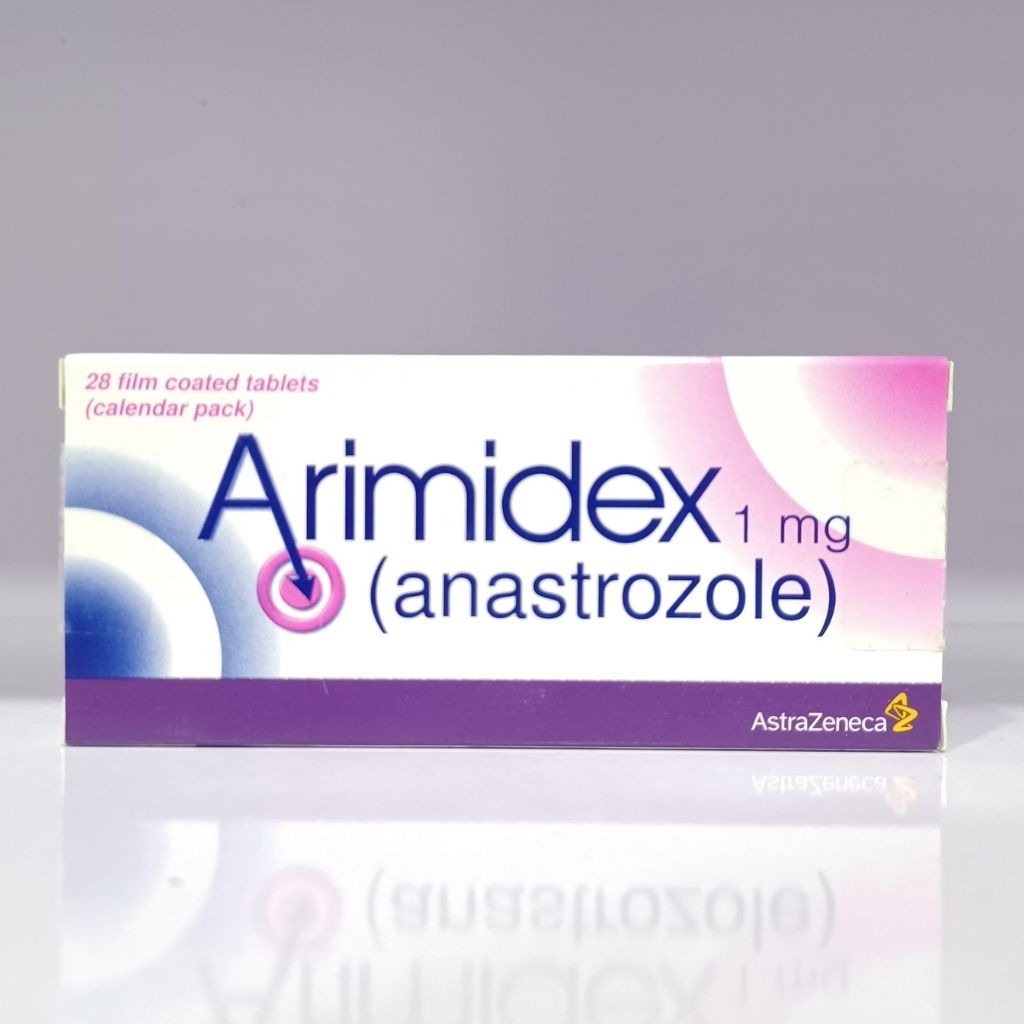
Oncology
Arimidex 1mg (28 Tablets)Arimidex 1mg Tablet contains anastrozole, a nonsteroidal aromatase inhibitor used to treat hormone receptor positive breast cancer in postmenopausal women. Buy Arimidex 1mg Tablet, pack of 28, at PakMeds with a valid prescription for genuine ICI Pakistan stock.
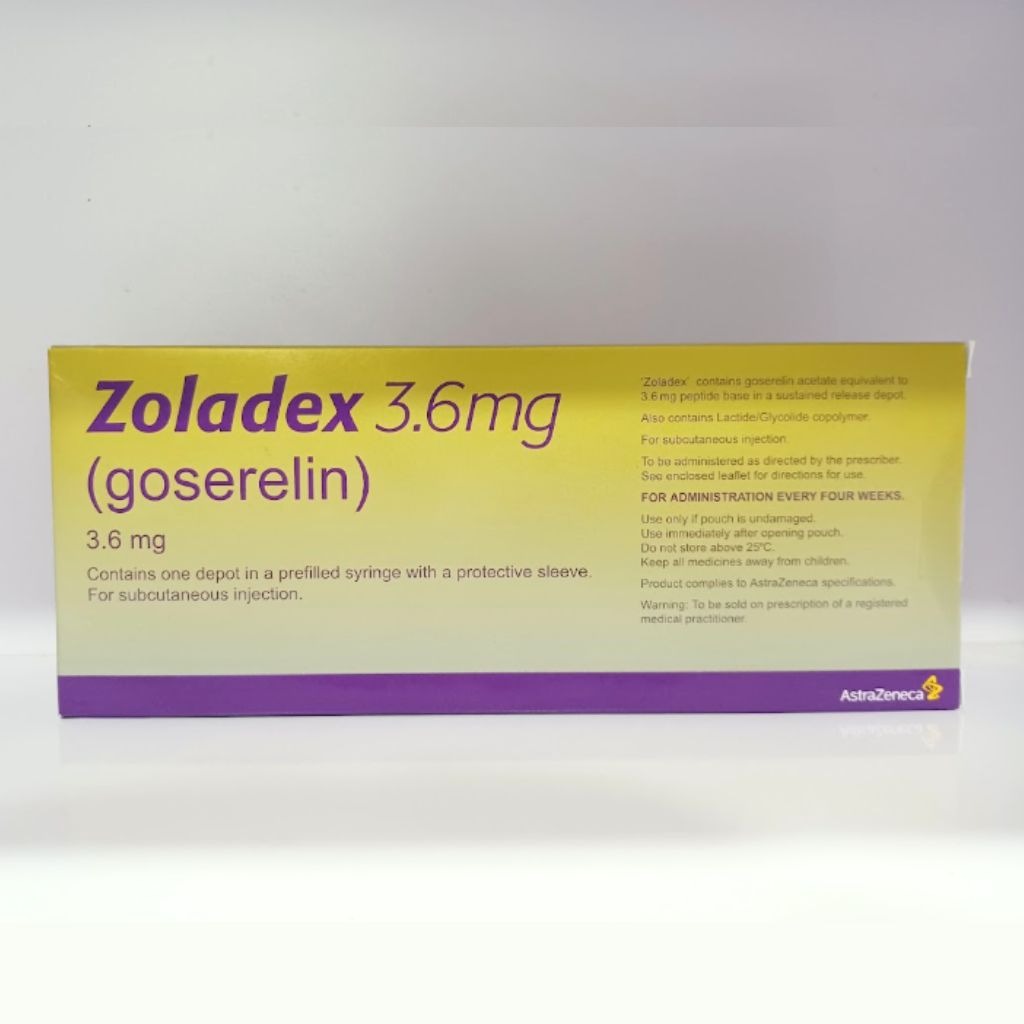
Prostate Cancer
Zoladex 3.6injZoladex 3.6mg Injection treats prostate cancer in men and breast cancer, endometriosis, and uterine fibroids in women. Buy authentic Zoladex 3.6mg Injection now at PakMeds.
Breast Cancer Recurrence Rates by Stage
The stage of breast cancer at the time of diagnosis is one of the strongest predictors of whether the cancer will come back. In general, higher stage cancers carry higher recurrence rates. Stage is determined by factors including tumor size, lymph node involvement, and receptor status.
According to the Breast Cancer Research Foundation, recurrence rates by stage break down as follows.
Cancer Stage at Diagnosis | Estimated Recurrence Rate |
|---|---|
Stage 1 | Less than 10% over 10 years with treatment |
Stage 2 | Moderate; depends on subtype and treatment |
Stage 3 | 30% to 50% or more |
Stage 4 (Metastatic) | Not technically recurrence; managed but not currently curable |
Early stage breast cancers (stages 0 through 2) generally have lower recurrence rates, especially with complete treatment
Stage 3 breast cancer involves more extensive lymph node involvement or larger tumors, leading to higher recurrence rates
A cancer recurrence depends on several factors beyond stage alone, including tumor biology and how the cancer responded to initial treatment
What Factors Affect the Risk of Breast Cancer Recurrence?
Breast cancer recurrence depends on several factors. Some of these factors are related to the cancer itself, while others involve the treatment received and the patient's overall health. No single variable determines whether breast cancer will come back in a particular person.
Cancer research has identified the following key factors that influence a person's risk of breast cancer recurrence.
Cancer stage at diagnosis: higher stage cancers carry a greater risk of recurrence
Tumor size: larger tumors at the time of diagnosis increase recurrence risk
Lymph node involvement: cancer found in axillary lymph nodes raises the likelihood of recurrence; Cleveland Clinic reports a 25% recurrence chance with cancerous nodes compared to 6% without
Receptor status: triple negative and inflammatory breast cancers have higher recurrence rates than other subtypes
Tumor grade: faster growing cancer cells carry a higher risk of coming back
Response to initial treatment: cancers that do not respond well to chemotherapy before surgery face a much higher recurrence risk
Treatment completion: following the full recommended treatment plan, including hormonal therapy, radiation, and chemotherapy, is one of the strongest modifiable factors in reducing recurrence
Age at diagnosis: younger women, particularly those under 40, tend to face higher recurrence rates for certain breast cancers
Doctors use recurrence scoring tools that factor in genetic markers within the cancer cells, the patient's age, and the stage of cancer. These scores guide treatment recommendations and help predict how likely it is that a particular cancer could recur after treatment.
Symptoms of Breast Cancer Recurrence: What to Watch For
Breast cancer survivors should stay aware of changes in their body, even years after treatment. The symptoms of breast cancer recurrence depend on whether the cancer comes back locally, regionally, or in a distant area. Many of these symptoms can also be caused by other conditions, but any persistent or new changes should be reported to a doctor.
Signs of Local Breast Cancer Recurrence
Local recurrence involves cancer returning in the same breast or along the chest wall. Sometimes breast cancer survivors may not see or feel any signs of local recurrence, and a provider discovers evidence during a mammogram or physical exam.
A new lump or area of thickening in the breast or chest wall
Changes in breast shape or size
Skin changes such as redness, dimpling, or puckering on the breast
Unusual nipple discharge
Thickening or changes along surgery scars
Signs of Regional Breast Cancer Recurrence
Regional recurrence means cancer has spread to nearby lymph nodes or surrounding tissue. The symptoms often appear in the armpit, collarbone, or neck area.
A lump or swelling in the lymph nodes under the arm, near the collarbone, or in the neck
Pain or skin changes in the area around these lymph nodes
Swelling in the chest or armpit area
Signs of Distant (Metastatic) Breast Cancer Recurrence
Distant recurrence means breast cancer cells have spread to other organs. These symptoms depend on where the cancer has traveled in the body.
Persistent bone pain, especially in the back, hips, or ribs
Chronic cough or difficulty breathing (if cancer spreads to the lungs)
Severe headaches, dizziness, balance problems, or seizures (if cancer spreads to the brain)
Unexplained weight loss, loss of appetite, or nausea
Extreme fatigue or numbness and weakness anywhere in the body
How to Reduce the Risk of Breast Cancer Recurrence
While no strategy can guarantee that breast cancer will not come back, several evidence based approaches can help reduce the risk of recurrence. The most important step is completing the full recommended treatment plan, but lifestyle factors also play a meaningful role in breast cancer survivorship.
Complete Your Full Treatment Plan
Breastcancer.org emphasizes that staying on track with treatment is one of the most effective ways to keep recurrence risk as low as possible. Treatment plans after surgery may include hormonal therapy, chemotherapy, targeted therapies, immunotherapy, or radiation. Skipping doses or stopping treatment early can leave cancer cells behind that may grow into recurrent breast cancer.
Tamoxifen, a common hormonal therapy for hormone receptor positive breast cancer, may reduce the risk of recurrence by about 40%, according to WebMD
Chemotherapy after surgery typically takes three to six months to complete
Targeted therapies like trastuzumab (Herceptin) may continue for up to a year after chemotherapy ends
Extended endocrine therapy beyond five years offers additional protection for some patients with hormone receptor positive breast cancer
Lifestyle Changes That May Help Prevent Breast Cancer Recurrence
Research consistently shows that certain lifestyle behaviors can support breast cancer survivorship and reduce the risk of cancer coming back. The Breast Cancer Research Foundation identifies regular exercise, balanced nutrition, limited alcohol consumption, and healthy weight management as strategies associated with improved outcomes.
Exercise regularly: at least 2.5 hours of moderate physical activity per week may improve overall health and lower recurrence risk
Maintain a healthy weight: weight gain after a breast cancer diagnosis is linked to higher recurrence rates, especially in postmenopausal women
Eat a balanced diet: a diet rich in fruits, vegetables, legumes, and fiber while limiting high fat and high calorie foods may help reduce estrogen levels linked to cancer growth
Limit alcohol: even moderate alcohol consumption has been associated with increased breast cancer risk
Attend all follow up appointments: regular screenings and checkups help detect any signs of recurrence early when treatment options are most effective
Treatment Options for Recurrent Breast Cancer
Treatment for recurrent breast cancer depends on where the cancer has returned, the biology of the tumor, and what treatments were used the first time. The overall health and personal goals of the patient also factor into the treatment plan. Recurrent breast cancer may require a different approach than the original cancer treatment.
Local recurrence: often treated with surgery to remove the cancer, followed by radiation therapy if not previously given, and systemic therapies based on the tumor's receptor status
Regional recurrence: may involve surgery, radiation, chemotherapy, hormonal therapy, or targeted therapy depending on the extent and characteristics of the cancer
Distant (metastatic) recurrence: treated with systemic therapies including chemotherapy, hormonal therapy, targeted drugs, and immunotherapy to manage the disease and slow progression
The receptor status of recurrent breast cancer may differ from the original breast cancer. Doctors often biopsy the recurrent tumor to confirm its receptor profile and choose the most effective treatment approach. Advances in cancer research continue to expand the range of treatment options available for people with recurrent breast cancer.
Frequently Asked Questions About Breast Cancer Recurrence
Can breast cancer come back after many years?
Yes. While most breast cancer recurrences happen within the first five years after treatment, breast cancer can come back much later. A large Danish study tracked over 20,000 women and found recurrences occurring from 10 to 32 years after the original diagnosis. Hormone receptor positive breast cancers carry a particularly persistent risk, with about half of recurrences happening after the five year mark.
Which type of breast cancer is most likely to recur?
Triple negative breast cancer and inflammatory breast cancer carry the highest recurrence rates. Research suggests about 40% of people with early stage triple negative breast cancer may experience a recurrence, and inflammatory breast cancer has up to a 50% chance of returning in the same area. However, the cancer's stage, response to treatment, and other individual factors also influence recurrence risk.
What are the first signs of breast cancer recurrence?
The first signs depend on where the cancer returns. A new lump in the breast or along the chest wall, changes in breast shape, skin dimpling, or unusual nipple discharge may signal local recurrence. Swelling in the armpit or collarbone area may indicate regional recurrence. Persistent bone pain, chronic cough, or unexplained weight loss could point to distant recurrence.
Does breast cancer recurrence always mean stage 4?
No. Breast cancer recurrence does not automatically mean the cancer has reached stage 4. Local recurrence means the cancer came back in the same breast or chest wall, and regional recurrence means cancer has spread to nearby lymph nodes. Only distant recurrence, where cancer has spread to organs like the bones, lungs, liver, or brain, is classified as metastatic or stage 4 breast cancer.
Can you prevent breast cancer from coming back?
There is no guaranteed way to prevent breast cancer recurrence, but several strategies can reduce the risk. Completing the full recommended treatment plan is the single most important step. Hormonal therapies like tamoxifen can reduce recurrence risk by about 40% for hormone receptor positive breast cancers. Regular exercise, healthy weight management, a balanced diet, and limited alcohol intake are also associated with lower recurrence rates.
How often should breast cancer survivors get checked for recurrence?
Follow up schedules vary based on the type of breast cancer and the treatment received. Most oncologists recommend physical exams every three to six months for the first few years after treatment, then annually. Mammograms are typically performed once a year. Breast cancer survivors should report any new or persistent symptoms to their care team promptly rather than waiting for the next scheduled visit.
Is recurrent breast cancer harder to treat than the original cancer?
It depends on the type of recurrence. Local recurrence caught early is often treatable and may have a favorable outlook. Distant recurrence (metastatic breast cancer) is more challenging because the cancer has spread to other parts of the body. Treatment for recurrent breast cancer also depends on which therapies were used the first time, as some treatments cannot be repeated. Advances in targeted therapies and immunotherapy continue to improve options for people with recurrent breast cancer.
The Bottom Line: Breast Cancer Recurrence
Breast cancer can relapse after treatment, and the risk of breast cancer recurrence depends on several factors including the cancer's stage, subtype, and how well it responded to initial treatment. While most breast cancer survivors will not experience a recurrence, the possibility remains a valid concern that deserves attention, education, and proactive follow up care.
Staying informed about recurrence risk, knowing the symptoms of breast cancer recurrence, and maintaining regular checkups with a healthcare team are essential steps in breast cancer survivorship. Anyone with questions about cancer recurrence should speak with their oncologist about their individual risk factors and the best strategies to reduce the chance of breast cancer coming back.